Is Your EDC Really Modern If Someone Still Has to Re-Enter Every Serious Adverse Event?
July 7, 2026

Clinical industry has finally embraced AI, sponsors run decentralized trials and data is now collected in real time.
But still one of the most critical workflows in every study – handling adverse events (AEs) – surprisingly depends on copy-paste.
Most sponsors assume that if they have an Electronic Data Capture (EDC) system and a Pharmacovigilance (PV) database, these systems naturally communicate with each other.
In reality, they often don’t,
safety teams have to manually transfer the same information into the PV system every time.
This manual process has become so common that many teams simply accept it as “the way things work.”
But it doesn’t have to be so.
The Hidden Cost of Manual SAE Transfer
Every duplicate entry creates unnecessary risk:
- transcription errors;
- missing or inconsistent fields;
- delayed case intake;
- additional quality control;
- longer reporting timelines.
Even highly experienced teams cannot eliminate human error when the same information must be entered twice.
And the problem here isn’t people, it’s architecture.
How Flex Databases Solves the Gap
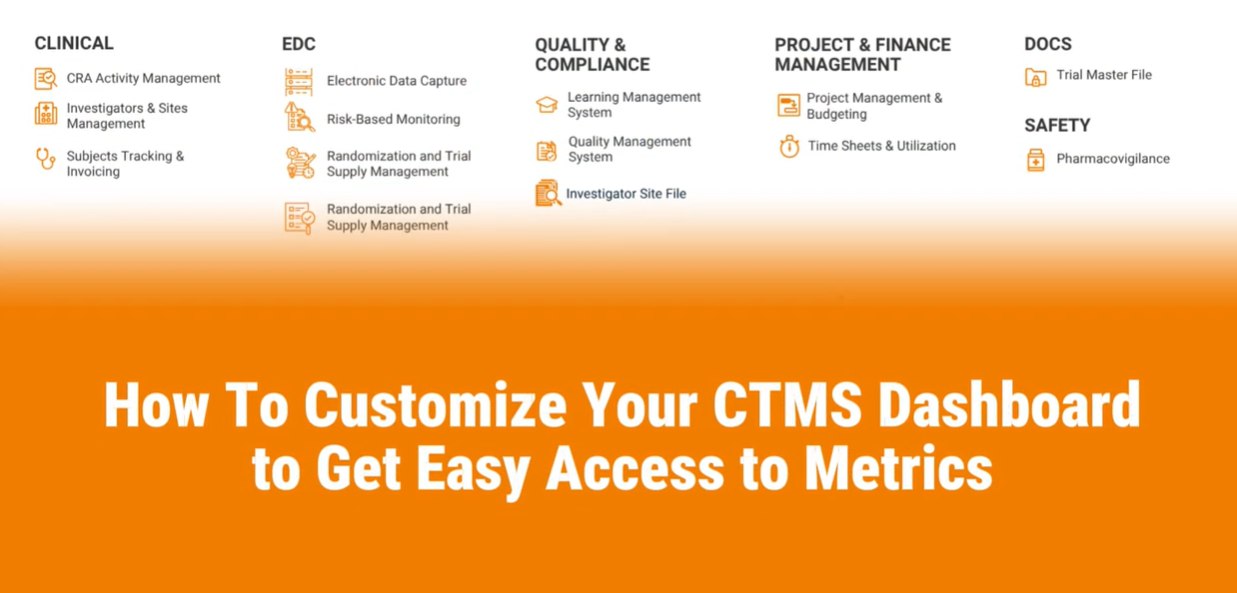
Flex Databases was designed as a unified eClinical platform rather than a “collection of disconnected applications”.
Because EDC and Pharmacovigilance are part of the same ecosystem, adverse reactions initiated in the EDC can be managed directly in the Pharmacovigilance module, without requiring manual recreation of the case.
In practical terms, this means:
- adverse events are captured once within the eCRF;
- relevant information flows directly into the PV module;
- safety teams begin case processing immediately;
- duplicate data entry is eliminated;
- data remains consistent across clinical and safety functions.
The Pharmacovigilance module then continues the entire safety workflow: from case processing and quality checks to regulatory reporting, E2B(R3) submissions, follow-ups, signal management, and audit-ready documentation – all within the same validated environment.
The Future of Clinical Operations Isn’t More Automation—It’s Better Connectivity
Digital transformation isn’t simply replacing paper with software.
It’s removing unnecessary manual work between systems.
An EDC that collects adverse events is valuable.
A PV system that manages safety cases is essential.
But when the two systems are interconnected, clinical and safety teams gain something far more important than convenience: they gain speed, consistency, and confidence in their data.
And in clinical research, that makes all the difference.