How to Integrate CTMS with EDC
November 14, 2024
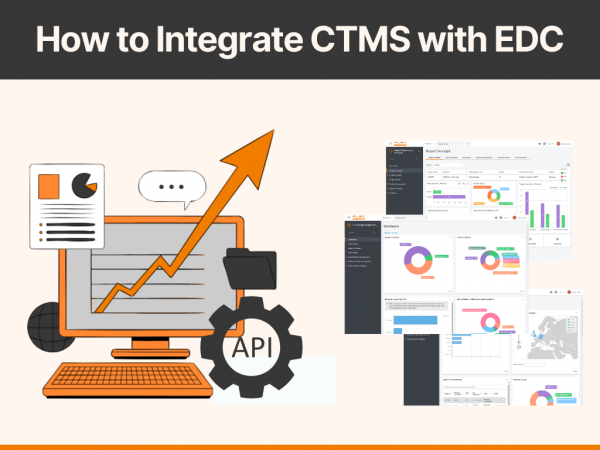
Clinical Trial Management Systems (CTMS) and Electronic Data Capture systems are critical to the effective management of clinical trials. By integrating CTMS and EDC, organizations can streamline processes, enhance data quality, and improve overall efficiency. Here are five key tips to ensure a successful CTMS and EDC integration.
Effortless Integration of Flex Databases CTMS with Any EDC via API
Flex Databases CTMS provides a seamless, API-driven integration with any EDC system, designed to be both simple and fast. This streamlined process enables users to connect Flex Databases CTMS with their existing EDC without requiring a change in their current setup, making it a flexible, user-friendly choice for clinical trial management.
The API supports real-time data synchronization, allowing essential information to flow smoothly between CTMS and EDC for improved data accuracy and operational efficiency. By centralizing and harmonizing data workflows, this integration enables clinical operations and data management teams to work more efficiently, reduce duplicate data entry, and make faster, data-driven decisions.
Maintaining a direct line of communication between CTMS and EDC minimizes the risk of errors, enhances compliance, and accelerates trial completion. Flex Databases’ easy-to-implement API integration lets users leverage these advantages while continuing to use their preferred EDC, making it an ideal solution for unified, efficient trial management.
Define Integration Goals
Defining clear integration goals for CTMS and EDC integration provides a solid foundation for alignment with project objectives, effective resource use, and collaboration among stakeholders. Without specific goals, there’s a risk of misalignment and inefficiency during integration.
- Set integration goals that outline the specific objectives of aligning CTMS and EDC.
- Identify data types to be exchanged (e.g., subject details, visit schedules) and create a data mapping document to clarify field correspondence between systems.
- Choose CTMS and EDC systems that align with industry standards for seamless communication.
- Engage clinical, data management, and IT teams to gather diverse perspectives.
- Ensure real-time data exchange for up-to-date information, enhancing efficiency and workflow.
Standardize Data Elements
Standardizing data elements is vital for EDC and CTMS integration, ensuring consistent, high-quality data exchange. Lack of standardization risks data inconsistencies and compliance challenges, compromising clinical trial integrity.
- Develop a master list of standard data elements essential for CTMS and EDC integration.
- Define data formats (e.g., dates, numbers) to ensure consistent interpretation.
- Align field names and structures across CTMS and EDC, adhering to industry standards like CDISC.
- Update and communicate data standards changes promptly to maintain alignment.
Establish Data Mapping
Data mapping is essential for accuracy in CTMS and EDC integration. Without it, there’s a high risk of data discrepancies, misalignment, and integration errors.
- Create a thorough data mapping document to clarify relationships between CTMS and EDC data fields.
- Define each paired data field’s format and structure for precise integration.
- Include metadata for context and keep the document updated.
- Share the data mapping document with the entire integration team to ensure consistency.
Implement Real-Time Data Exchange
Real-time data exchange between EDC and CTMS systems supports rapid decision-making and operational efficiency. Without real-time updates, decisions may be delayed, impacting trial operations.
- Use integration protocols that support real-time data flow, reducing outdated information risks.
- Automate data updates for immediate access, maintaining accurate, current data across CTMS and EDC.
- Continually monitor real-time exchange to optimize data responsiveness and keep stakeholders informed.
Ensure Data Security and Compliance
Data security and regulatory compliance are critical in CTMS and EDC integration to protect sensitive information and maintain data integrity. Failing to address these risks can lead to data breaches, regulatory penalties, and loss of stakeholder trust.
- Implement strict security measures, including encryption and authentication, to protect clinical trial data.
- Ensure compliance with guidelines such as GCP.
- Establish access controls and conduct regular security audits to mitigate risks.
- Maintain audit trails of all data exchanges to meet regulatory standards and address any security incidents swiftly.
By following these tips, Flex Databases can support a smooth CTMS and EDC integration, enhancing trial efficiency, data accuracy, and regulatory compliance.